By Lidia Vicca, Managing Director of Vicca Law
Understanding the structure and processes of the court system is crucial for anyone involved in or contemplating legal action. Let’s delve into the details.
The Court Hierarchy in Queensland
Queensland's court system is divided into three levels of court plus the Queensland Civil and Administrative Tribunal (QCAT). Here’s a breakdown of each level and their respective jurisdictions
- Queensland Civil and Administrative Tribunal (QCAT)
- Jurisdiction: Handles civil disputes involving amounts up to $25,000.
- Features: QCAT is designed to be a less formal, more accessible venue for resolving disputes without the need for legal representation. It covers specific areas of law with simpler procedures.
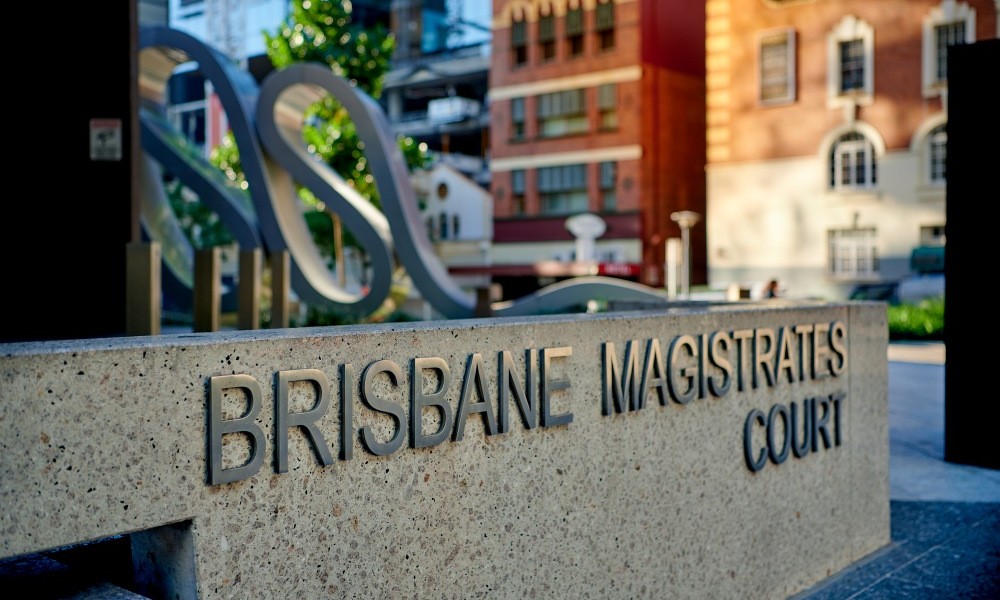
- Magistrates Court
- Jurisdiction: Deals with civil claims up to $150,000.
- Features: Governed by the Uniform Civil Procedure Rules (UCPR), the Magistrates Court involves more formal procedures compared to QCAT. Legal representation is common, and the rules of evidence apply more strictly.
- District Court
- Jurisdiction: Handles civil claims between $150,000 and $750,000.
- Features: The District Court follows the UCPR and often deals with more complex cases. The procedural requirements and costs are higher than those in the Magistrates Court.
- Supreme Court
- Jurisdiction: Addresses civil claims over $750,000.
- Features: The Supreme Court also handles certain matters directly by legislation, such as applications for probate or specific property disputes. It involves the most formal and complex procedures.
- Court of Appeal
- Jurisdiction: Hears appeals from decisions made by the Supreme Court.
- Features: Requires special leave to appeal. Cases are reviewed by three judges, making it a critical avenue for challenging lower court decisions.
Alternative Dispute Resolution (ADR)
Before diving into litigation, exploring alternative dispute resolution (ADR) methods can save time and money. Here are the common ADR practices:
- Negotiation:
- Involves direct discussions between parties to reach a mutually acceptable solution.
- A letter of demand often initiates the negotiation process, signalling serious intent to resolve the dispute.
- Mediation:
- A neutral third party facilitates discussions between disputing parties to help them reach an agreement.
- Mediation is often a contractual requirement and can be an effective way to resolve disputes without going to court.
The Importance of Legal Representation
Navigating the court system and ADR processes effectively requires professional legal guidance. Engaging a solicitor ensures you receive:
- Proper Advice: On the prospects of your case, potential costs, and strategic approaches.
- Compliance: With procedural requirements under the Legal Profession Act and the UCPR.
- Effective Representation: Especially crucial when dealing with complex legal matters or litigious opponents.
Understanding the court system in Queensland and the available dispute resolution mechanisms is essential for anyone involved in civil litigation. Whether you’re pursuing a claim or defending one, having a clear roadmap can make the process more manageable and less daunting